Survey and Research Incentives: How to Pay Participants
How to pay survey and research participants: real incentive rates ($10-15 for 5 minutes, $25-50 for an hour), international panels, email-only privacy, ethics board requirements, and recovering unclaimed incentives.



Quick answer: pay $10-15 for a 5-minute survey, about $20 for 30 minutes, and $25-50 for an hour. Deliver it as a choice link - participants need to share only an email address, international panels redeem in their own currency, and unclaimed incentives return to your budget instead of being written off.
Survey incentives are the payments you offer people for completing research: a questionnaire, a usability session, a diary study, a clinical interview. Done right, they are the difference between a panel that responds in hours and a study that limps for weeks. This guide covers what to pay, how to pay it, and the operational traps that eat research budgets, with data from the incentive programs running on our platform.
One pattern from our sales calls is worth knowing before the tactics: incentives are almost always the last thing a research team thinks about.
Researchers are so busy creating the survey and doing the research that 'how do we get people to respond' is something they discover last minute - usually after they've tried for a bit and aren't having success. By then there's a deadline for the results, so the first thing they ask me is how fast they can get active.
Nicholas Galipeau, Senior Account Executive at Hoppier
That is the real buying context for everything below: you want a payment method you can stand up in an afternoon, not a procurement project.
How Much To Pay Survey Participants
The working rule is to price the participant's time like labor, not like a lottery. Common ranges in commercial research:
- Short surveys (under 10 minutes): $5 to $15. Below $5, completion and quality drop sharply for anyone but hobby panels.
- Long surveys (20 to 40 minutes): $20 to $40.
- Moderated interviews and usability sessions (30 to 60 minutes): $50 to $150, higher for hard-to-reach professionals - clinicians and executives often warrant $200+.
- Diary studies and multi-week panels: stage the incentive: a portion per check-in and a completion bonus, which cuts mid-study dropout.
For context, the average card sent across our platform is $38, squarely in the long-survey and short-interview band. One ceiling to know: academic studies rarely go far above $50 per response, and not because researchers are stingy.
With academia they're usually budget-constrained. A lot of them are publicly funded, and they can't be seen as splurging or wasteful with their dollars - even on legitimate research.
Nicholas Galipeau, Senior Account Executive at Hoppier
The Payment Methods, Honestly Compared
The vast majority pay with gift cards today, and Amazon is the default - they'll buy physical cards or codes, then hand them over in person, mail them, or message the code by email. It works for one survey. Then they realize they need 100 or 1,000 people per wave, across several waves, and it just doesn't scale.
Nicholas Galipeau, Senior Account Executive at Hoppier
Amazon codes bought by hand: the default, and the trap. Codes get lost in spam, don't work across borders (a .com code is useless in Germany), and every unclaimed code is money gone. Fine for 10 participants; painful at 200.
PayPal and bank transfers: real money, but participants must share personal financial details with you, which many decline and some ethics boards discourage. International fees stack up.
Checks and physical cards: mailing costs, address collection, weeks of delay. In 2026 this mostly signals a process nobody has questioned.
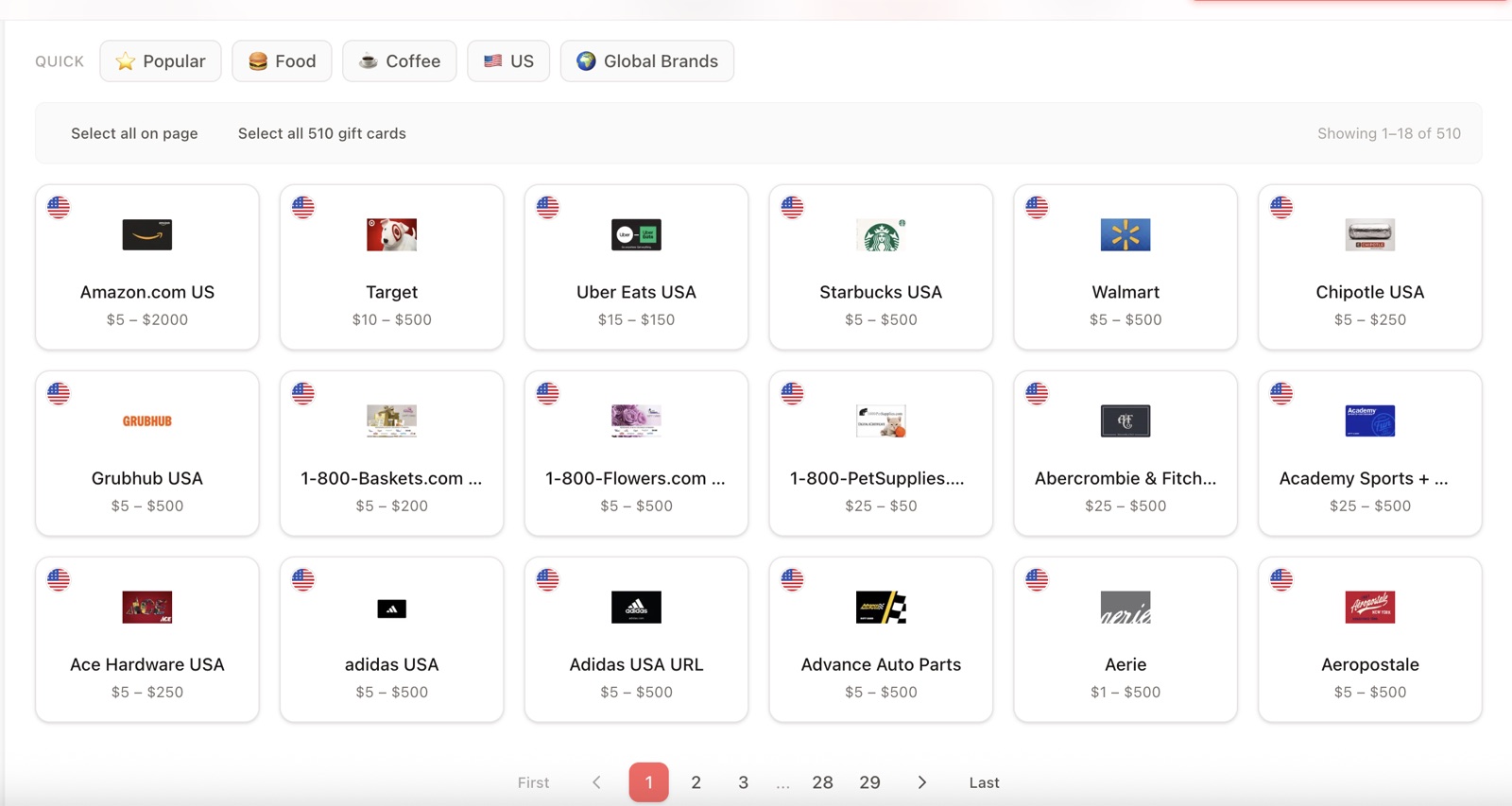
Choice-based digital incentives: the participant gets one link and picks a gift card from 3,000+ brands or a prepaid Visa, in their own country and currency. Nobody shares bank details, delivery is instant at any volume, and the pieces that go unclaimed come back to you.
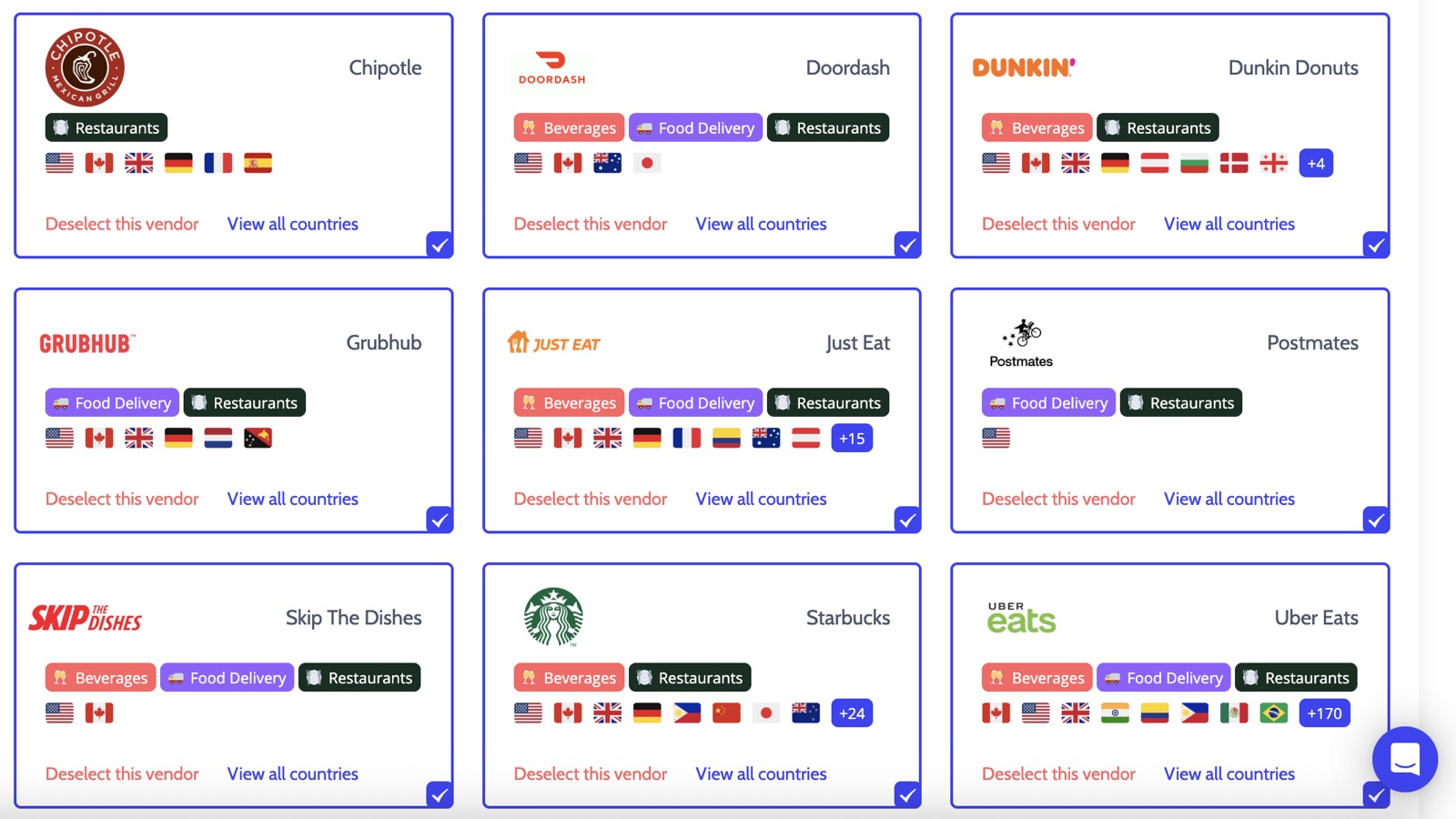
Comparing flows across platforms? Here is the respondent experience on Hoppier next to a typical payout tool - the difference is who carries the friction:
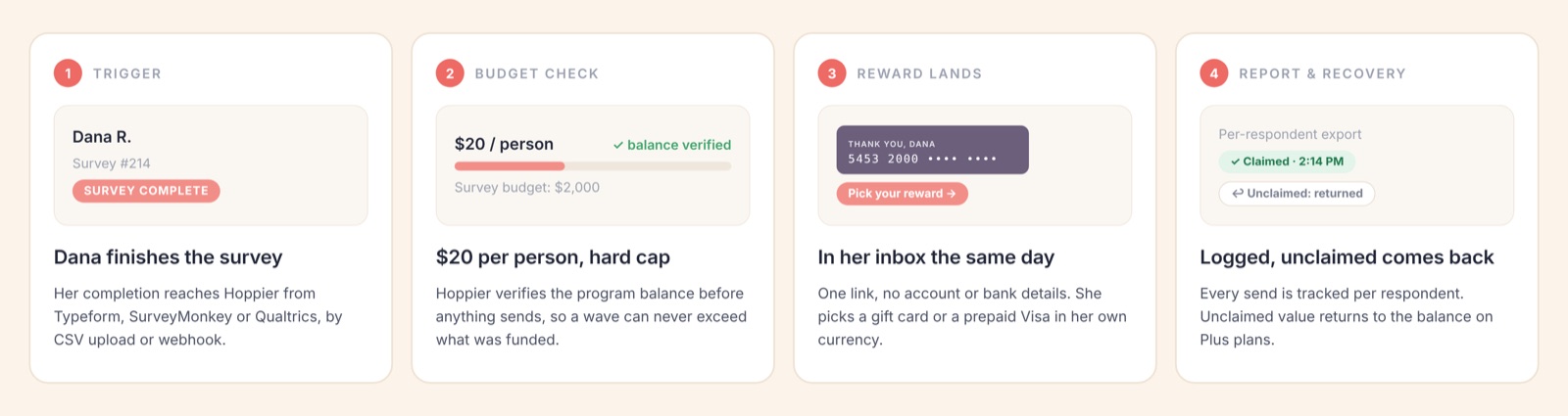
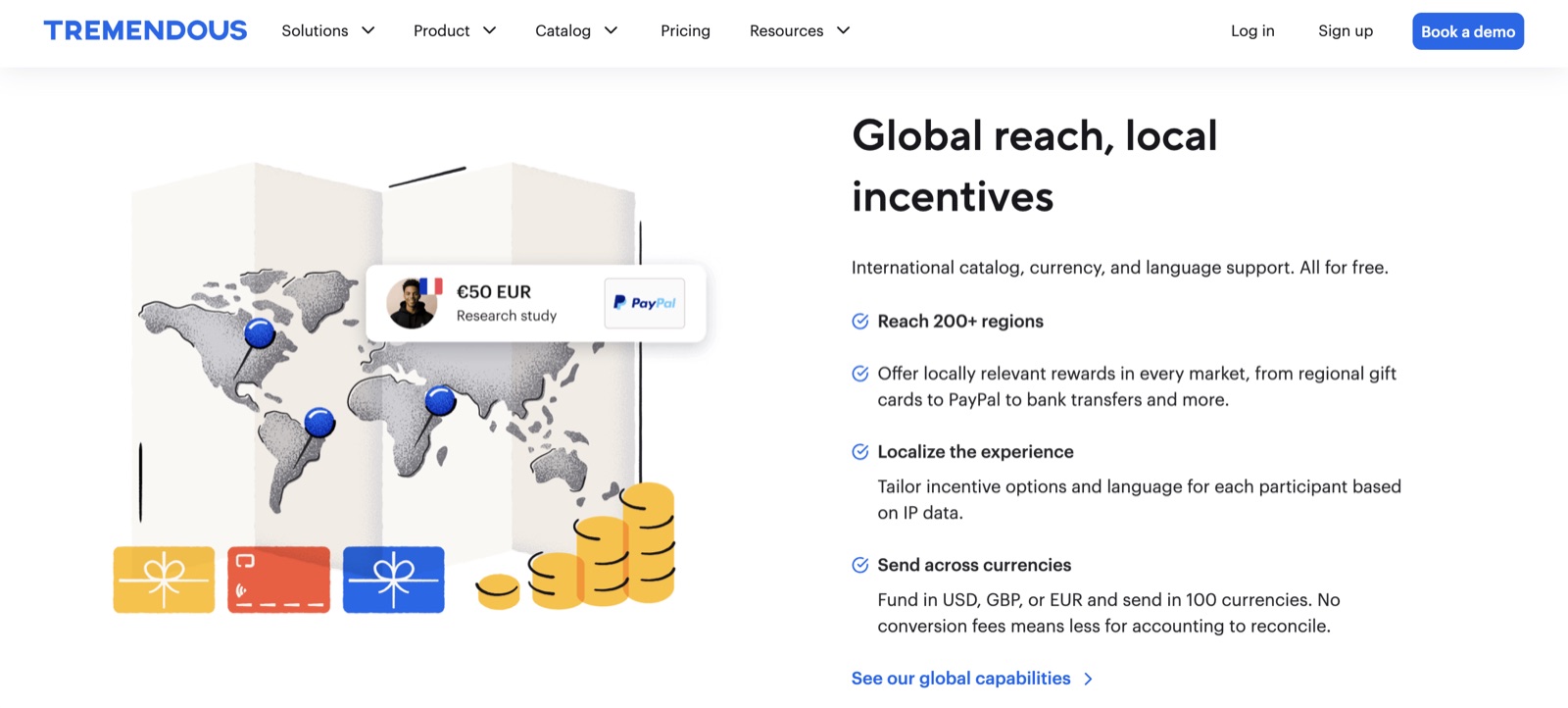
Both get money to a respondent. The practical differences are catalog reach, what the participant has to hand over, and what happens to unclaimed value - the full teardown is in Hoppier vs Tremendous.
The number research teams miss: across 2,090 programs on Hoppier, 37% of sent value goes unspent, and only 56% of recipients redeem at all. In research, unclaimed incentives are normally written off. On a platform with fund recovery, they return to your budget - which at a 37% unclaimed rate is effectively a third of your incentive line back. The mechanics are in our gift card breakage breakdown.
Where Studies Break: Going International
Domestic studies shop for nice-to-haves: an easier send, a bigger catalog, better response rates. International studies arrive with a different energy.
If it's fully global, that's when they need a solution like ours for sure - it's 'I don't know what else I can do.' Because we tether into Visa, there's a fully global catalog, and they can actually get respondents in Canada or Mexico or Denmark or Argentina without thinking about it. For researchers this is so peripheral to what they want to be doing - they just need something that works without extra headaches.
Nicholas Galipeau, Senior Account Executive at Hoppier
The sampling consequence matters more than the convenience: a US-only reward quietly biases an international panel toward US respondents, because everyone else is being offered something they can't easily use. Local brands and local currency remove that thumb from the scale.
How To Pay 200 Survey Respondents in an Afternoon
The workflow most teams land on:
- 1. Export completions from your survey tool (Typeform, Qualtrics, SurveyMonkey, Google Forms) as a CSV with name, email, and amount.
- 2. Upload to Hoppier as a bulk send. Set the amount per person, or vary it by row for tiered incentives.
- 3. Cards arrive by email in minutes. Each participant picks their reward in their own currency; you watch claim status from the dashboard.
- 4. Recover the remainder. Set an expiry window; unclaimed and unspent value returns to your balance instead of vanishing.
Running studies continuously? The gift card API (closed beta) triggers the payout the moment a completion webhook fires, and the Hoppier MCP lets an AI assistant run the send: export the sheet, ask it to pay everyone who finished, done.
Privacy, Receipts, and the Ethics Board
Two requirements come up on nearly every research call, and both are solvable without new process.
Participant privacy: the reward needs exactly one data point - an email address. Participants can submit it inside the survey itself (Typeform, SurveyMonkey, Qualtrics), so the organizer never runs a second collection step and the consent language stays simple. No bank details, no mailing addresses, no tax forms for standard incentive amounts.
That's one of their biggest hurdles, and all we really need is an email address. It can be embedded right into whatever survey tool they're using - the participant submits their email with their response and the system basically runs itself.
Nicholas Galipeau, Senior Account Executive at Hoppier
Ethics and finance review: boards want receipts, traceability, and - above all - proof the budget isn't leaking.
Receipts and approvals are built in, so everything is auditable and understandable at a glance. And the big thing ethics boards want to see is the ability to get unused spend back - they don't want to see waste. Hoppier returns 100% of unused funds on premium programs.
Nicholas Galipeau, Senior Account Executive at Hoppier
That recovery line is usually what settles the internal debate: at the platform-wide 37% unclaimed rate, a $6,000 incentive budget on a use-it-or-lose-it method quietly costs ~$2,200 more than the same study on a recovery model.
Practical Rules That Save Studies
- Pay fast. Incentives that arrive the same day measurably improve show rates for follow-up sessions; ones that arrive in three weeks train your panel to distrust you.
- Pay internationally in local currency. If your study spans countries, a US-only reward silently biases your sample toward US respondents.
- Never collect financial details you don't need. A choice link needs an email address, nothing more - simpler for consent language, safer for everyone.
- Budget on net cost, not face value. If your platform returns unclaimed value, a $30 incentive doesn't cost $30 across the panel. Price studies accordingly.
Comparing platforms for this use case? Payout tools built for mass disbursement handle volume well but keep nothing back for you; see how the models differ in Tremendous gift cards vs Hoppier, or start with pricing. For the product-side view of this use case - integrations, triggers, and setup - see survey incentive solutions.

Make Hoppier your unfair advantage
Send rewards, gifts, and perks to employees, clients, and event attendees in 60+ countries - all from one platform.
Get Started